What is email verification and why does it matter?
Email verification checks whether an address is real and can receive mail, before you send to it. Here is what it covers and what it can't do.
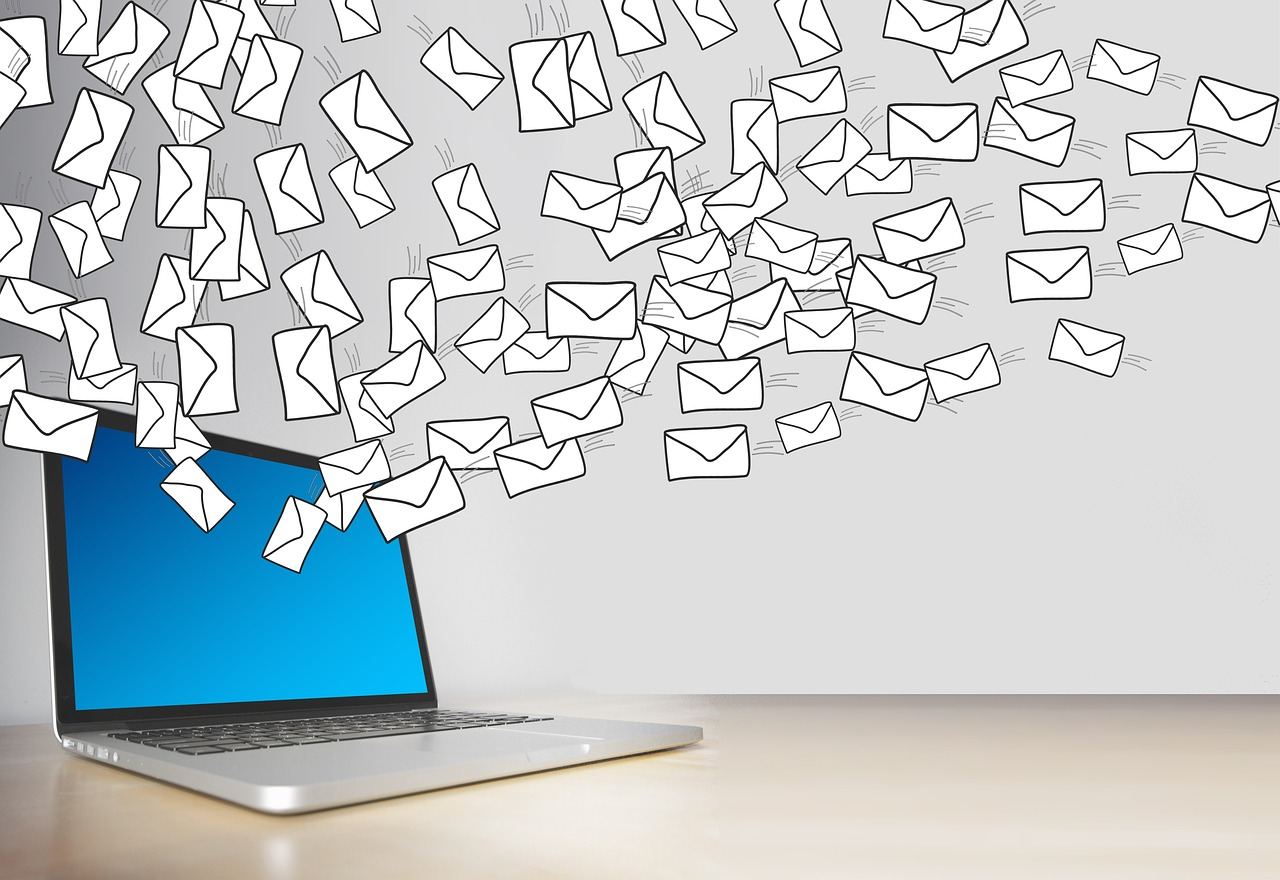
Photo by geralt on Pixabay
Email verification is the process of checking whether an email address is real, correctly written and able to receive mail, before you send anything to it. It sits between "someone typed an address into a form" and "that address is on your list".
What a verification check looks at
A good verifier works through a stack of checks, from cheap to expensive:
- Syntax: is the address correctly formed?
john@@example.comandjohn@examplefail here. - Domain: does the domain exist, and does it publish mail servers (MX records)?
- Typos: is the domain a near miss of a popular one, such as
gmial.com? - Disposable domains: is it a throwaway inbox from a temporary-mail service?
- Role accounts: is it a shared mailbox like
info@orsales@? - Mailbox: where the receiving server allows it, does that specific mailbox exist?
Each check removes a different kind of bad address. Together they give you a verdict and, in Mailsure's case, a score from 0 to 100 and a plain-language reason.
Why it matters
Every email you send to an address that doesn't exist bounces. Bounces tell mailbox providers that you don't know who you are sending to, and that hurts your sender reputation. When reputation drops, even your good emails start landing in spam.
Bad addresses also cost money. Most email platforms charge by list size or by send volume, so you pay to store and mail addresses that will never read anything.
And they distort your numbers. Open rates and conversion rates look worse when a slice of your list is dead.
What verification can't do
Verification can tell you an address is deliverable. It can't tell you the person wants your email, will open it, or typed their own address. A valid address belonging to someone who didn't sign up is still a problem, which is why double opt-in remains useful (more on that in our opt-in guide).
Some mail servers also refuse to say whether a mailbox exists, so a result can honestly be "unknown" or "risky" rather than a clean yes or no. A trustworthy verifier tells you that instead of guessing.
When to verify
- At signup, with a real-time API call, so typos are fixed while the person is still on the page.
- Before a campaign, by uploading a list for bulk cleaning.
- Periodically, because addresses go bad over time. See how often to clean your list.
Mailsure does all three: a checker on the dashboard, bulk CSV upload and a simple API. New accounts get free credits to try it on a real list.