Email verification for e-commerce stores
Order confirmations, abandoned-cart emails and receipts all depend on a working address. Here is where verification pays off in a shop.
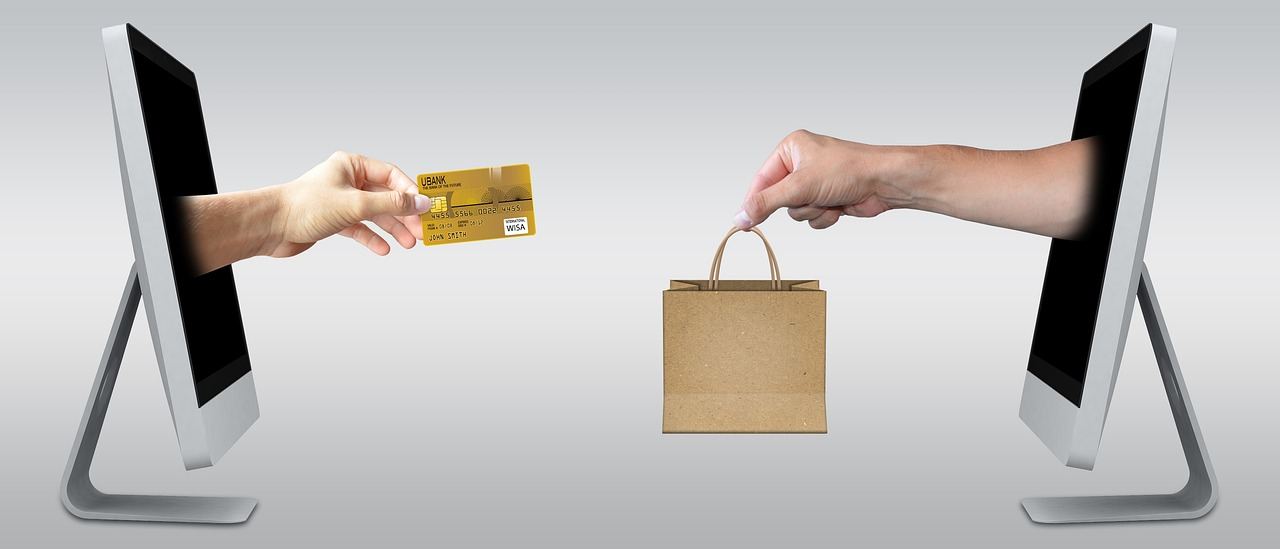
Photo by Mediamodifier on Pixabay
For an online shop, email is both a marketing channel and part of the product. A customer who doesn't receive their order confirmation, tracking link or receipt assumes the worst, and contacts support, disputes the charge, or never buys again.
Where bad addresses hurt a store
- Order confirmations and shipping updates that never arrive generate support tickets.
- Abandoned-cart and win-back flows run on addresses captured at checkout, and typos quietly waste them.
- Newsletter popups collect addresses from people who want a discount code, sometimes with a throwaway address.
- Account creation and password resets need an address that works.
- Marketing lists inflate your platform bill with dead contacts.
Where to verify
Checkout
Check the address as the customer types it, and offer a correction for typos before they place the order. This is the highest-value place: a mistake here means a customer who paid and gets no confirmation.
Newsletter and discount popups
Reject disposable addresses if you offer a first-order discount. Otherwise one person can collect the code repeatedly.
Account signup
Verify on submit, then require confirmation for anything sensitive.
Existing customer list
Run a bulk check before big sales and seasonal peaks, and after any import from another platform or from your point-of-sale system.
What to do with each result
| Result | At checkout | On the marketing list |
|---|---|---|
| valid | Proceed | Keep |
| invalid | Ask for another address | Delete |
| typo suggestion | Show "Did you mean …?" | Fix or suppress |
| disposable | Allow for the order, but exclude from discount offers | Segment or suppress |
| unknown | Proceed | Keep, watch for bounces |
Never block a paying customer over a doubtful result. The goal is fixing mistakes, not adding friction before payment.
Fake orders and fraud
An address check isn't a fraud engine, but it is a cheap signal to combine with others. Disposable addresses and mismatches between address and name are worth a closer look alongside payment and delivery data.
Keep it light
Run the real-time check on the server with a short timeout, and let the order through if the check can't complete (API pattern). A verification outage must never stop sales.
Try it before your next peak season: the pre-sale checklist.